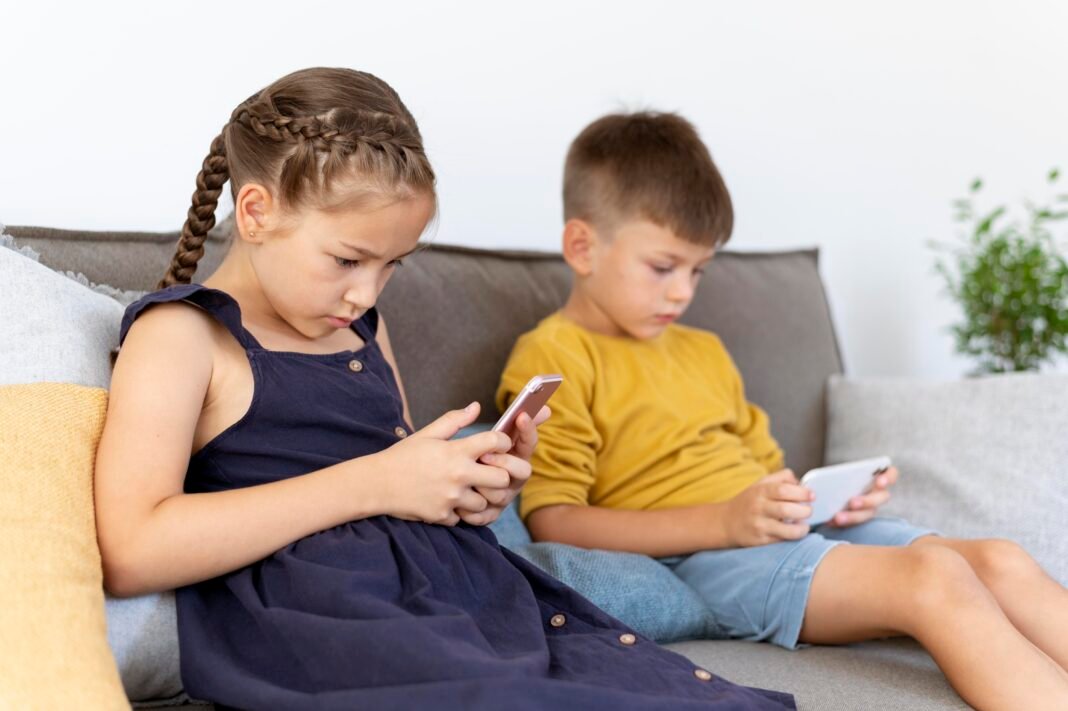
Australia has officially become the first nation to restrict social media access for children under 16. The law has received strong support from parents and child safety advocates but has faced criticism from major tech companies and free speech groups.
Platforms Affected and Legal Penalties
The ban targets ten major platforms, including
TikTok,
YouTube,
Instagram, and Facebook. Companies that fail to comply face fines of up to A$49.5 million ($33 million). This legislation is being closely monitored globally as other countries consider similar measures.
Prime Minister’s Perspective on Online Safety
Prime Minister Anthony Albanese hailed the law as a milestone for families, emphasizing its role in tackling online harms that traditional safeguards have struggled to address.
“This will make an enormous difference. It is one of the biggest social and cultural changes that our nation has faced,” Albanese said. He also encouraged children to engage in sports, music, or reading during the upcoming summer school break.
Teen Reactions to the Social Media Ban
Reactions among teens have been mixed. Fourteen-year-old Claire Ni reported feeling neutral, while 15-year-old Luna Dizon anticipated potential “culture shock” but expected children would adapt. By Wednesday, approximately 200,000 TikTok accounts had already been deactivated, with more scheduled in the following days.
Many teens shared farewell messages online, reflecting mixed emotions. Analysts view the legislation as a live experiment in limiting underage social media use—a concern echoed internationally. For more on youth social media trends, see
Common Sense Media research.
Mental Health Concerns and Research Basis
The Albanese government cited studies linking excessive social media use among young teens to mental health issues, including bullying, misinformation exposure, and negative body image. Countries like Denmark, New Zealand, and Malaysia are reportedly considering similar policies, positioning Australia as a global test case. Read more about
WHO mental health guidelines for youth.
Global Implications and eSafety Oversight
Julie Inman Grant, the U.S.-born eSafety Commissioner overseeing the ban, noted that American parents have expressed interest in similar measures. “Parents and activists in the U.S. wish they had a system prioritizing child safety over tech profits,” she said.
Tech Companies’ Compliance and Enforcement Measures
Elon Musk’s platform X confirmed compliance, stating: “It’s not our choice – it’s what the Australian law requires.” Social media companies plan to enforce age verification using behavioral analysis, selfies, identification documents, and linked bank accounts. Despite minimal ad revenue from under-16 users, platforms warn the ban could impact future user pipelines. Government data shows 86% of Australians aged 8–15 used social media before the law.
Potential Challenges and Social Impact
Critics caution that the ban may isolate certain groups. Fourteen-year-old Annie Wang emphasized that social media provides support for LGBTQ+ youth and niche communities. While the law benefits some, it may negatively affect mental health for others. For more information on supporting youth online safety, see
Australian eSafety Commission.
Australia’s pioneering legislation sets a global precedent in online safety, marking a significant experiment in limiting social media use among children under 16.